Inverted puzzle creation method
Introduction
[SPOILER: Light Interference solution] Go try this level if you haven't already.
When solving a tricky puzzle, you have probably wondered how the creator came up with such clever tricks, and how they managed to build a level around them. Chances are they used a method similar to the one described in this article.
Please note:
This method applies mainly to level styles whose aim is to challenge the player's solving skills; other level styles, such as racing or dodging, require a different approach. Feel free to share your own methods with us on Discord 😁
Thought Process
Let's take the Light Interference level as an example.
As a player:
When solving a level, you generally follow these steps:
-
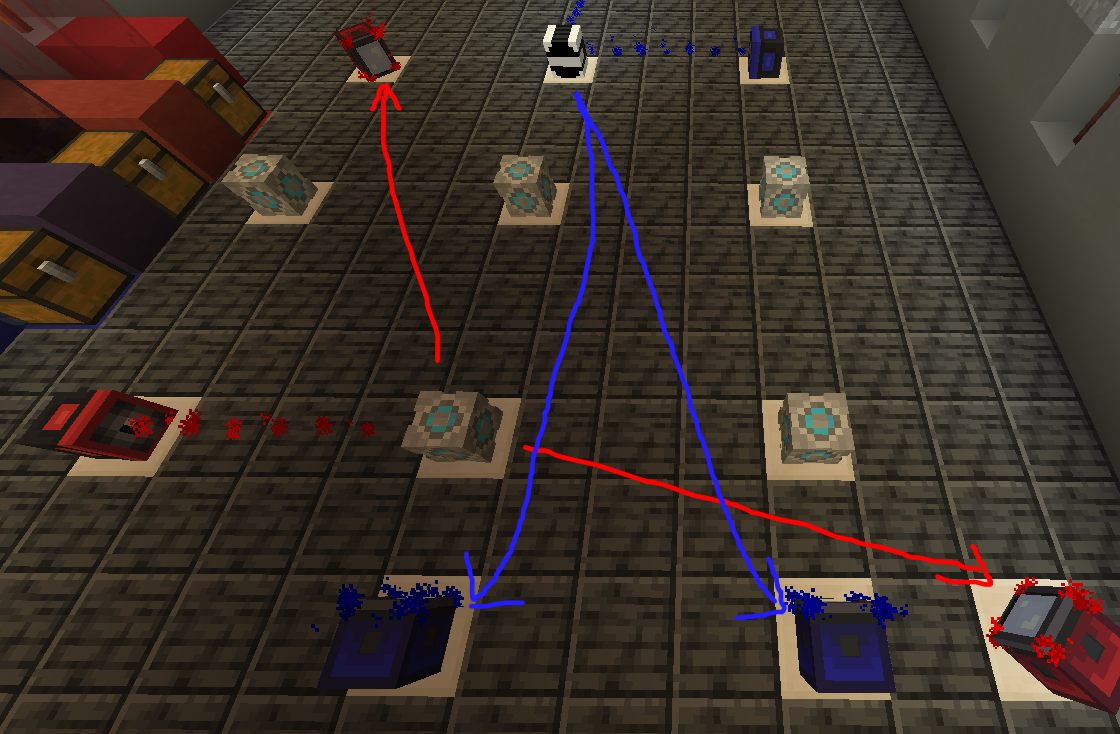
objective: you analyze the final goal and try to deduce the intermediate steps (more or less consciously).
e.g. you realize that each color must be duplicated at least once by the black mirror in order to power both of its receivers.
-
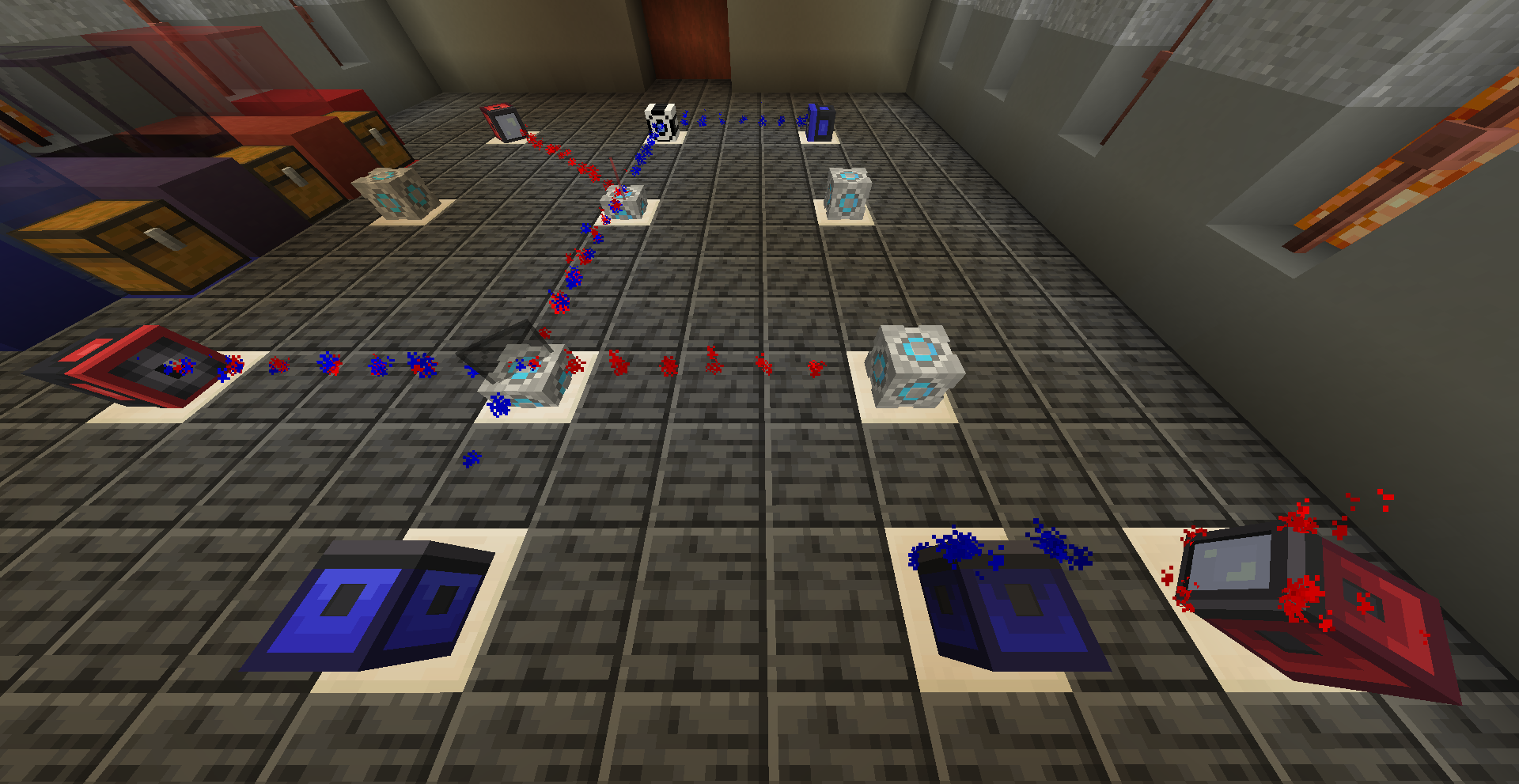
attempt: you start operating the components to get closer to the solution until you get stuck, then you try other things to clear the blockage.
-
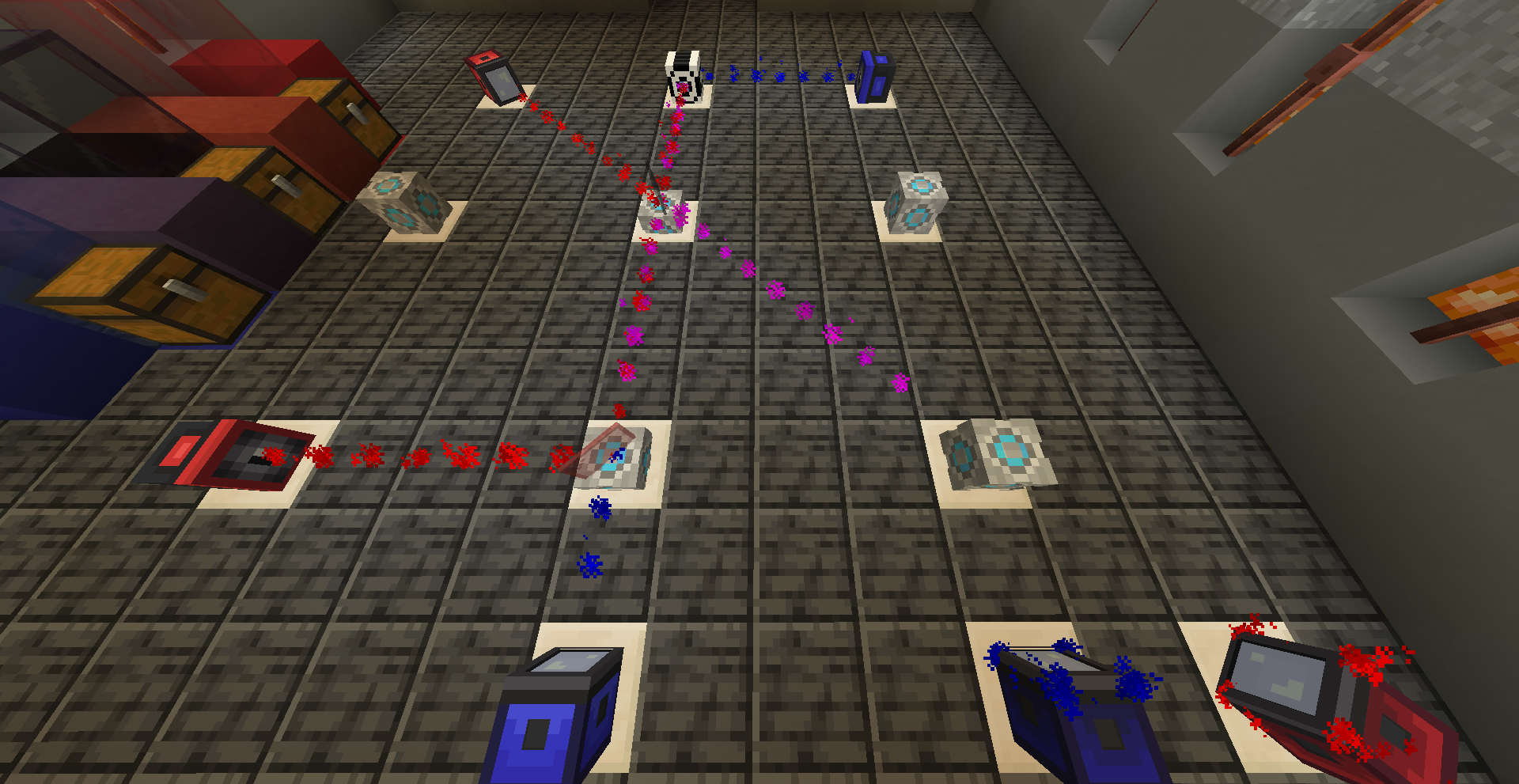
discovery: you understand the trick that makes the level possible.
e.g. the red laser is sent back by the concentrator after passing through the black mirror, so it is duplicated on both sides of the mirror.
-
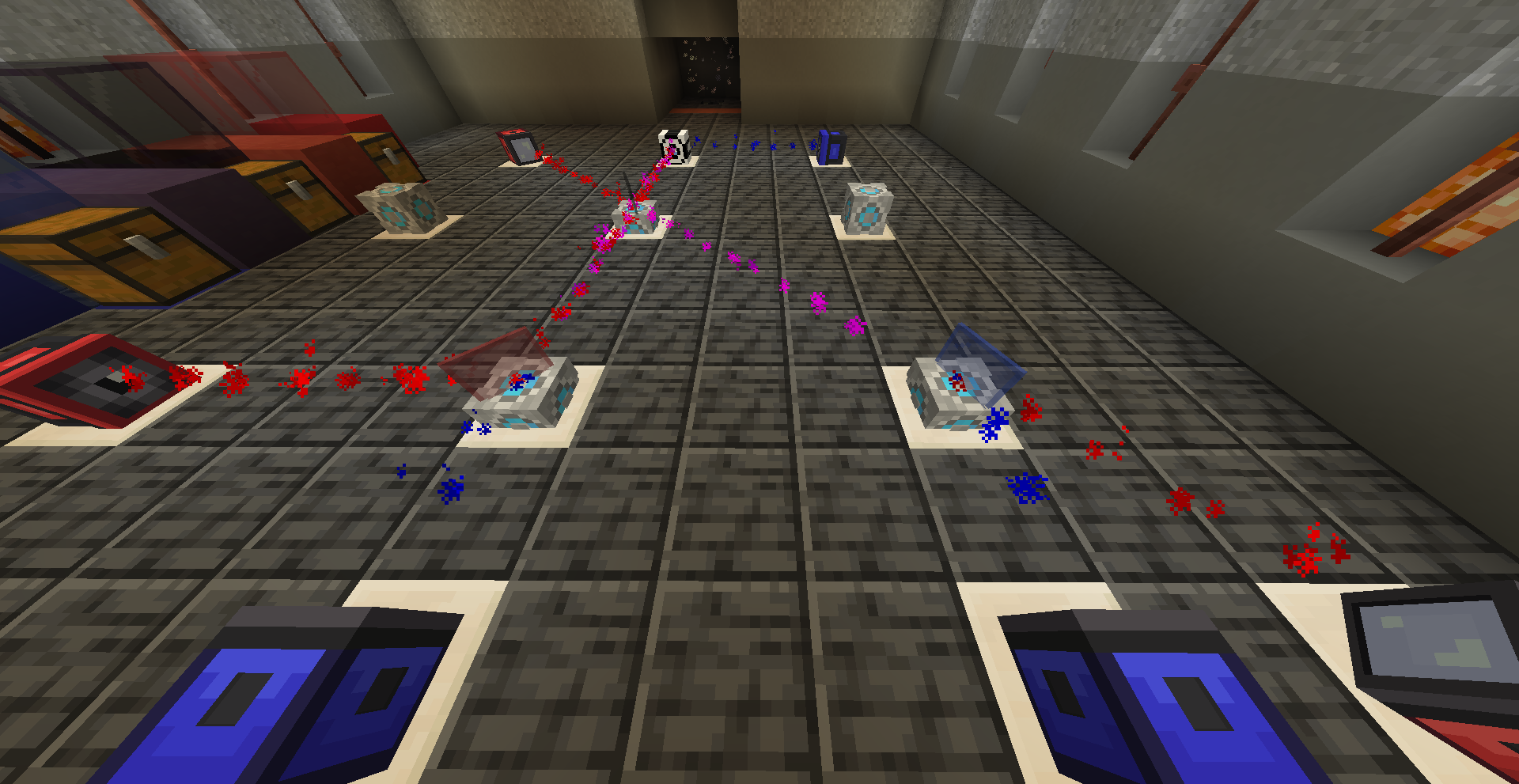
resolution: you put it into practice.
As a designer:
When you design this kind of level, you tend to follow similar steps, but in a different order:
-
experimentation: looking for ideas to develop.
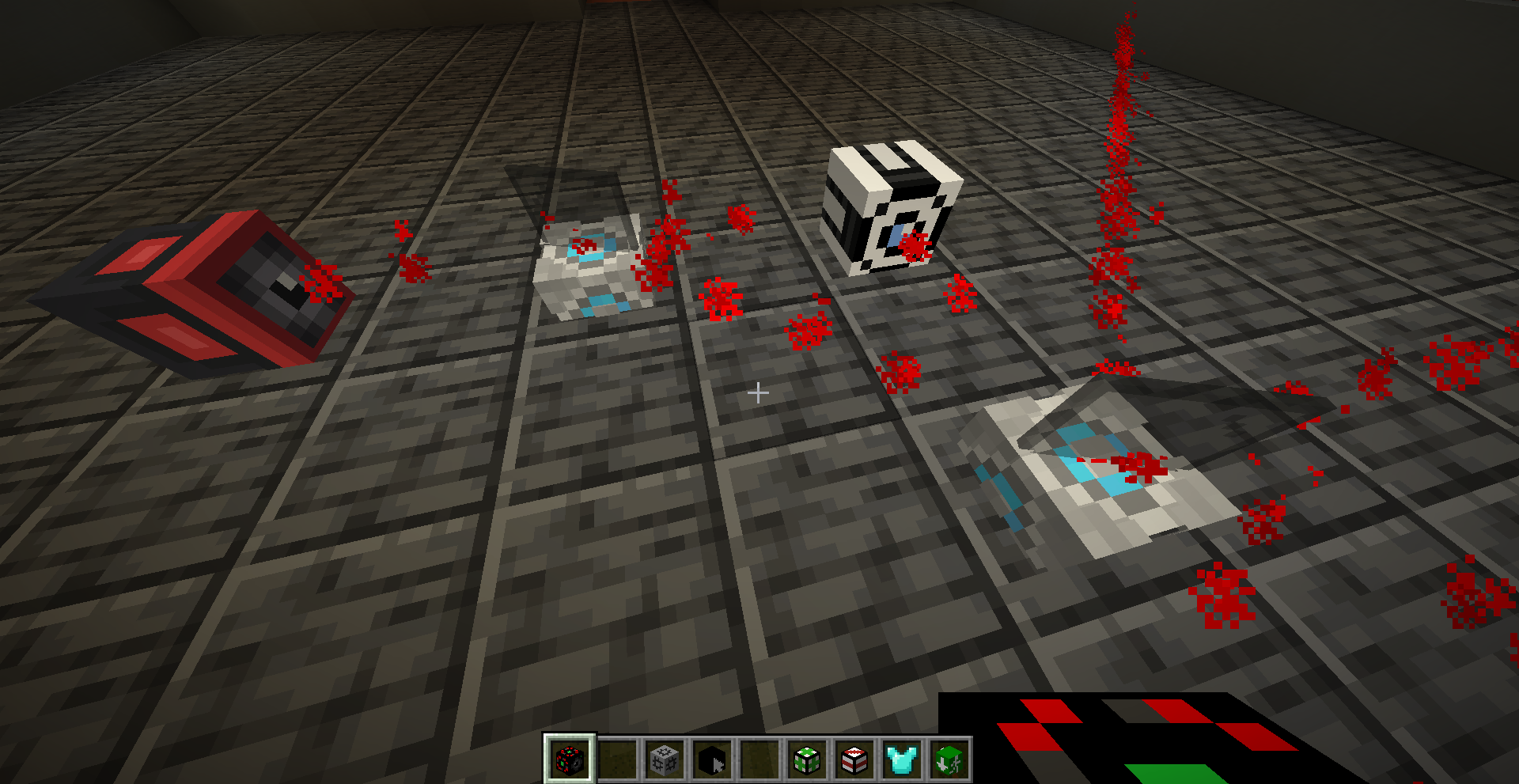
-
trick: choosing the trick (or tricks) to use.
e.g. reflecting the laser on both sides of the black mirror.
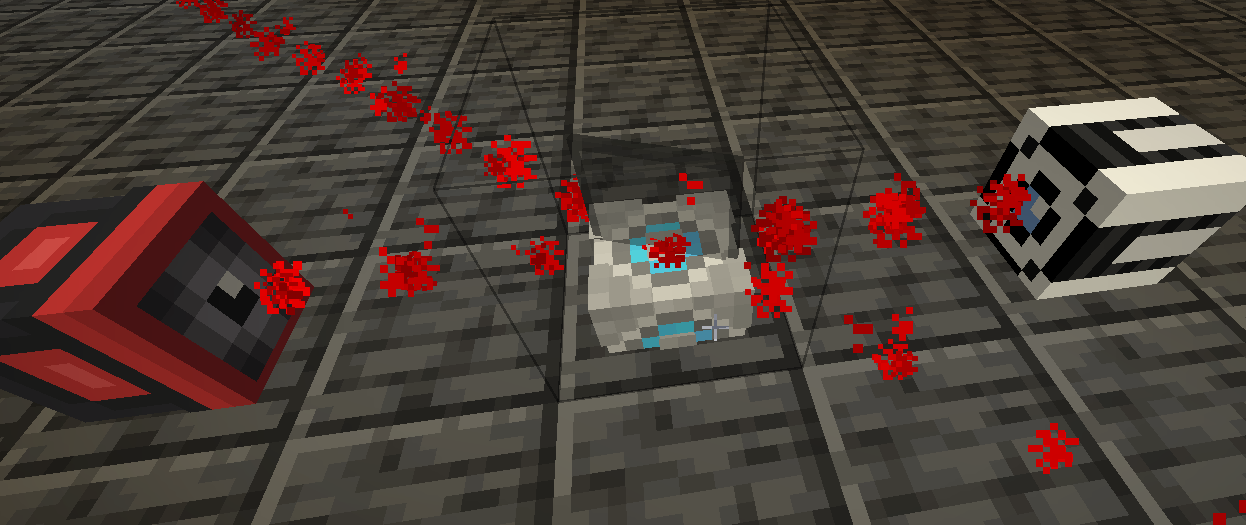
-
wrapping: adding the other elements of the level around the trick. The aim is to give players as many seemingly viable options as possible for involving the trick's required components in different ways, without introducing a simpler, more obvious solution (fine-tune this with the choice of solution, colors and game mechanics).
e.g. adding another color to the concentrator and using colored mirrors to separate them, or placing extra, unnecessary supports in a grid to allow other paths.
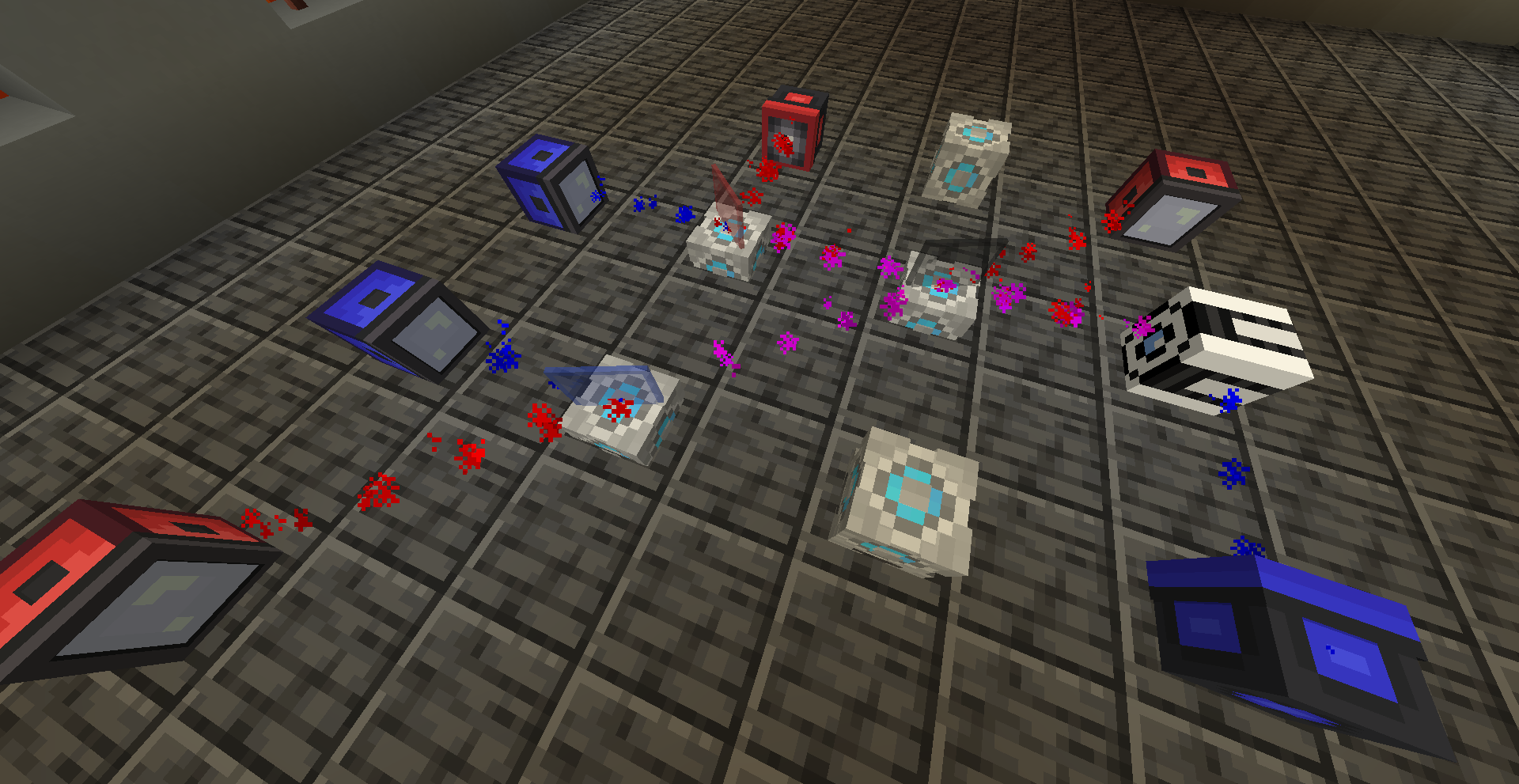
-
polishing: once you have chosen the level's elements, finding the most aesthetic way to position them.
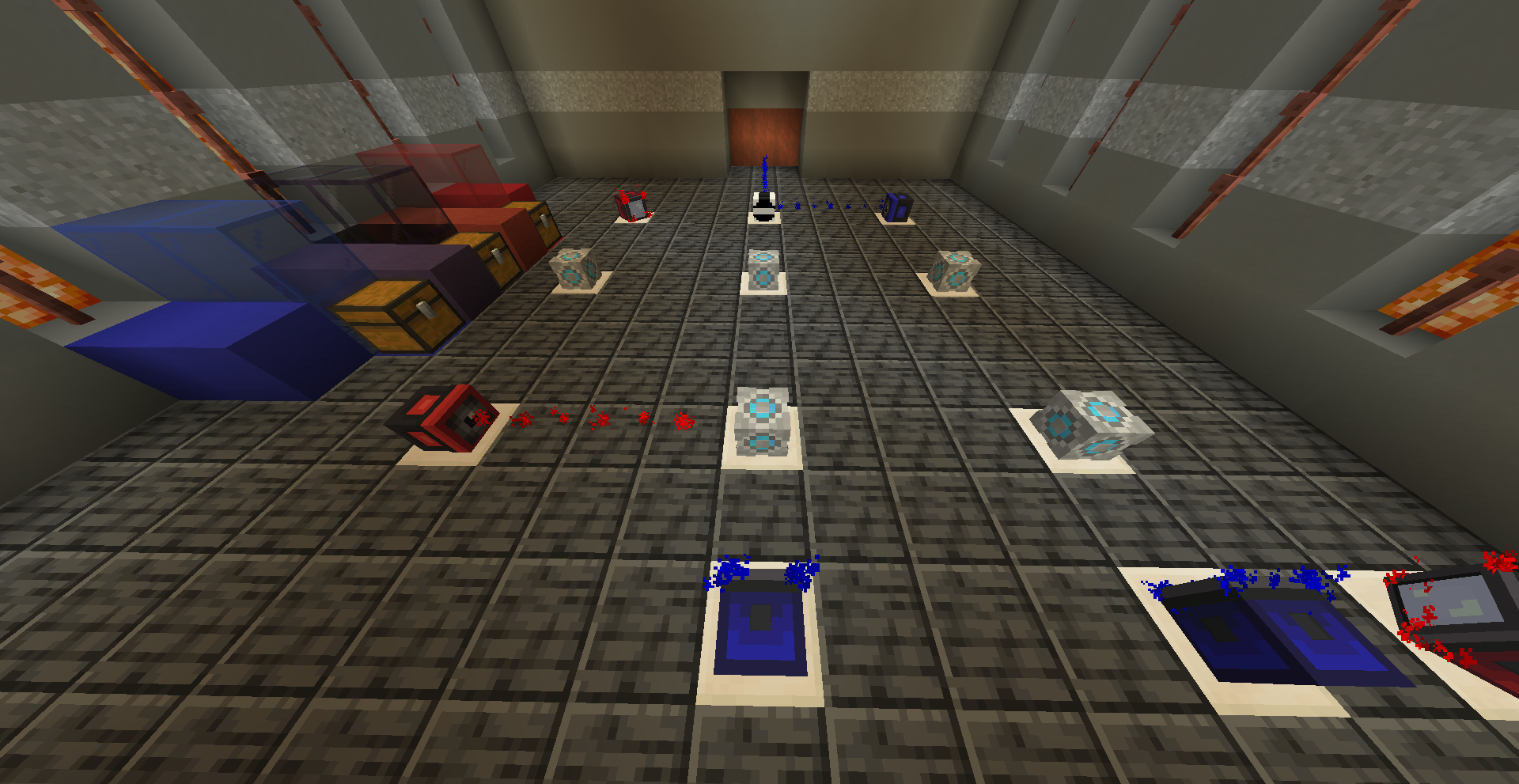
The inverted puzzle
As you can see, I approach the design of a level as a puzzle in itself. Because we usually start from the trick the player uses to complete the level, I call this method the inverted puzzle.
Although the two may look alike, there are some notable differences:
- the objective is open-ended: the goal is to design a level that is stimulating and satisfying to solve, in order to achieve an aesthetic, intellectual or other purpose.
- the mechanics are different: the mechanics of puzzle design are more about the choice, positioning and configuration of the puzzle components that will shape the player's options.
Nevertheless, in both cases you call on your puzzle-solving skills and your knowledge of the basic components.
Even though the options are infinite, designing a level is not necessarily harder than solving one: finding the trick simply requires some creativity, and the difficulty of the final level is just a consequence of how you choose to wrap the trick.
I hope you find this method useful and that it gives you some ideas for levels.
Of course, this isn't the only way to approach level design. You'll surely develop your own variant. Feel free to share your approach on the Discord server, by the way — I'm curious ;)
Have fun!